
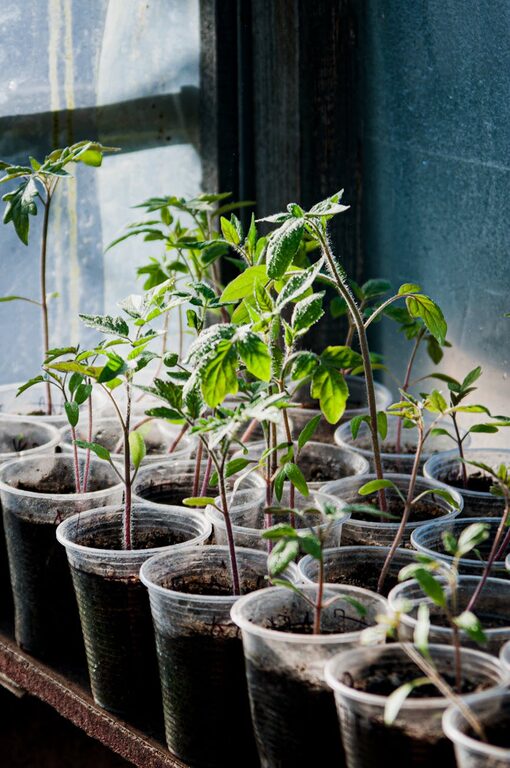
Creating a sustainable home garden is a rewarding way to connect with nature, reduce your environmental footprint, and enjoy fresh produce and beautiful plants throughout the year. Whether you have a large backyard or a small balcony, implementing sustainable gardening practices can benefit both you and the planet. In this post, we’ll explore tips to help you cultivate a sustainable garden year-round.
Why Choose a Sustainable Home Garden?
Sustainability in gardening means using methods that conserve resources, promote biodiversity, and maintain soil health. It focuses on reducing waste, encouraging pollinators, and growing plants that are well-suited to your local environment. By adopting sustainable techniques, you can create a garden that thrives with minimal environmental impact while providing fresh food and green space year-round.
Plan Your Garden with Sustainability in Mind
1. Choose Native and Climate-Adapted Plants
Select plants native to your region or those that naturally thrive in your climate zone. These species typically require less water, fertilizer, and pest control, making them easier to grow sustainably. Native plants also support local wildlife such as bees, butterflies, and birds.
2. Design for All Seasons
Plan your garden layout to provide interest and productivity throughout the year. Combine evergreen shrubs, perennial herbs, and seasonal vegetables to ensure your garden remains lively in every season. Consider planting early spring bulbs, summer flowering plants, fall harvest crops, and winter greens.
3. Use Companion Planting
Pair compatible plants to improve growth and reduce pests naturally. For example, planting marigolds near tomatoes can help deter certain insects, while beans can fix nitrogen in the soil, benefiting neighboring plants. Companion planting supports a balanced garden ecosystem and reduces chemical use.
Practice Resource-Efficient Gardening
4. Collect and Reuse Water
Rainwater harvesting is one of the best ways to conserve water in your garden. Use rain barrels to collect water runoff from roofs, and direct it to your plants during dry spells. Mulching can also help retain soil moisture, reducing the need for frequent watering.
5. Compost Organic Waste
Create a compost bin or pile with kitchen scraps and yard waste to produce nutrient-rich soil amendments. Composting reduces landfill waste and improves soil structure and fertility, supporting healthier plants without synthetic fertilizers.
6. Use Organic and Natural Fertilizers
Avoid chemical fertilizers by feeding your plants with organic options like compost tea, worm castings, or well-rotted manure. These natural fertilizers release nutrients slowly and enhance beneficial soil microorganisms.
Maintain Healthy Soil Year-Round
7. Rotate and Diversify Crops
If you grow vegetables, rotate crops annually to prevent soil depletion and reduce disease buildup. Diversify plantings to encourage resilience and avoid monocultures that can be vulnerable to pests.
8. Cover Crops and Green Manures
Plant cover crops such as clover or rye during off-seasons. These crops protect soil from erosion, improve soil fertility, and suppress weeds, keeping the garden healthy year-round.
9. Practice Minimal Tillage
Disturbing the soil as little as possible preserves its structure and the beneficial organisms living within. Use hand tools instead of heavy machinery when preparing beds, and avoid overworking the soil.
Protect and Encourage Beneficial Wildlife
10. Provide Habitats for Pollinators and Predators
Plant a variety of flowering plants to provide nectar and pollen for bees, butterflies, and other pollinators. Include shrubs and logs to offer shelter for birds and beneficial insects that naturally control pests.
11. Avoid Pesticides and Herbicides
Pesticides can harm pollinators and beneficial insects. Instead, use manual weed removal and encourage natural predators to manage pest populations. If you need to treat plants, opt for organic or homemade solutions.
Adjust Gardening Practices by Season
12. Winter: Protect and Plan
Use mulch or row covers to insulate plants during cold months. Start seeds indoors early to get a jump on the growing season. Prune deciduous trees and shrubs once dormant.
13. Spring: Prepare and Plant
Clean garden beds, incorporate compost, and plant cool-season crops like lettuce and peas. Monitor soil moisture and adjust watering as temperatures rise.
14. Summer: Maintain and Harvest
Water efficiently in the early morning or evening to reduce evaporation. Harvest crops regularly to encourage continued production and remove weeds promptly.
15. Fall: Clean Up and Enrich Soil
Collect fallen leaves for compost or mulch. Plant cover crops and divide perennials. Prepare garden tools and structures for winter storage.
Tips for Small Space Gardeners
If you have limited space, such as a balcony or small patio, sustainable gardening is still achievable.
– Use containers with well-draining soil and group plants by water needs.
– Grow vertical gardens using trellises or hanging planters.
– Choose dwarf or compact plant varieties.
– Practice indoor gardening with grow lights during winter.
Conclusion
Creating a sustainable home garden year-round takes some planning and effort but brings lasting benefits. By choosing the right plants, conserving resources, maintaining healthy soil, and fostering biodiversity, you can enjoy a vibrant, eco-friendly garden that supports your well-being and the environment no matter the season. Start small, observe your garden’s needs, and adjust your practices as you learn — your sustainable garden will flourish with time and care. Happy gardening!