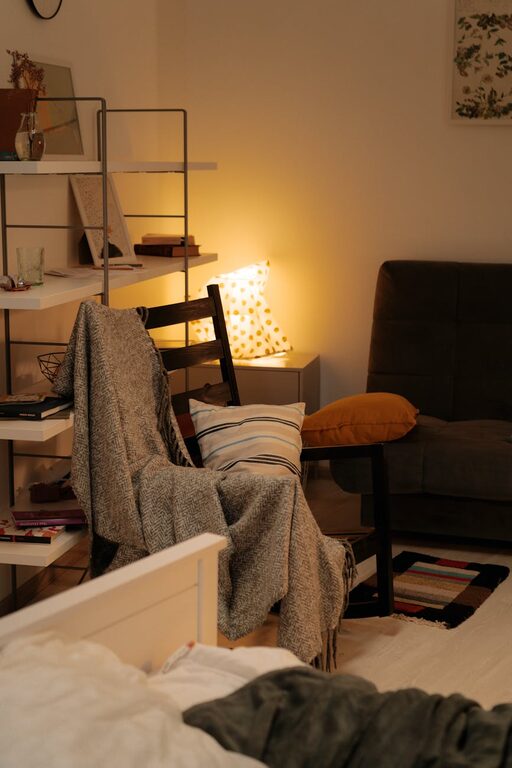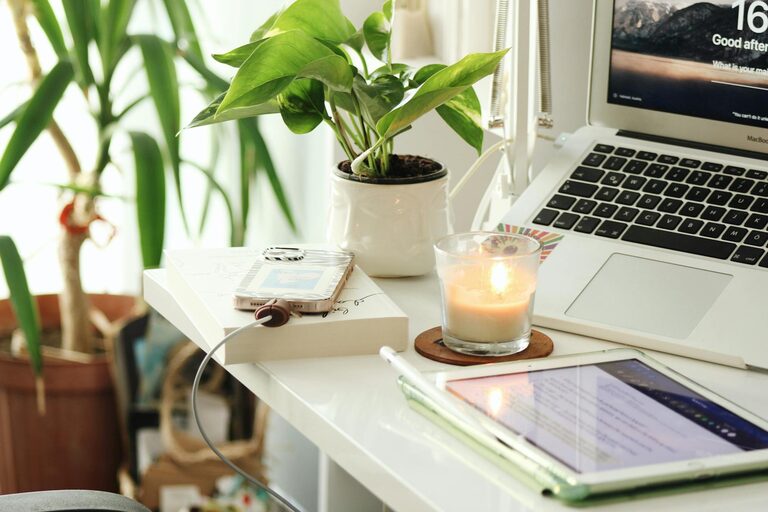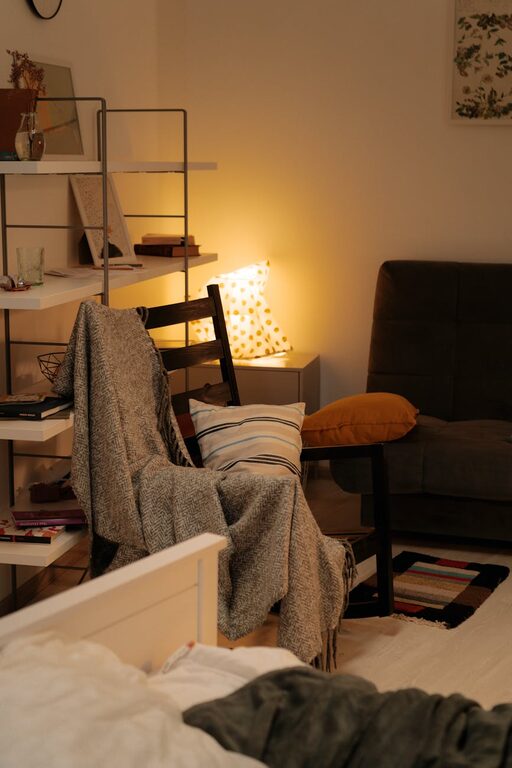

Working from home has become increasingly common, making a well-designed home office essential for maintaining productivity. A productive workspace helps you focus, stay organized, and balance work with personal life. Here are some practical tips to create a home office environment that supports your best work.
Choose the Right Location
Selecting the proper spot for your home office is the first step toward productivity.
– Quiet and Low-Traffic Area: Choose a space where you can work without frequent interruptions or noise. This helps maintain focus and reduces stress.
– Natural Light: If possible, position your desk near a window for natural sunlight. Exposure to natural light boosts mood and energy.
– Space Availability: Ensure the area has enough room for your desk, chair, and any equipment or materials you need regularly.
Invest in Comfortable Furniture
Your comfort directly affects how long and how well you can work.
– Ergonomic Chair: A supportive chair helps prevent back and neck pain during long work hours.
– Appropriate Desk: Pick a desk with enough space for your computer and accessories without feeling cramped.
– Adjustable Setup: Consider sit-stand desks or monitor stands to adapt your workspace and reduce strain.
Optimize Lighting
Good lighting reduces eye strain and keeps you alert.
– Layered Lighting: Use a combination of natural light, overhead lighting, and task lamps to create even illumination.
– Avoid Glare: Position your screen to avoid reflections and use curtains or blinds to control sunlight when needed.
– Warm vs. Cool Light: Cooler, white light is often better for productivity, while warm light offers comfort during breaks.
Organize Your Workspace
A tidy workspace encourages clear thinking and efficiency.
– Declutter Regularly: Keep only essential items on your desk and store away distractions.
– Storage Solutions: Use shelves, drawers, or bins to organize documents, supplies, and equipment.
– Cable Management: Use clips or ties to keep cords tidy, preventing tangled messes and hazards.
Set Boundaries Between Work and Home
Maintaining clear boundaries helps you feel more balanced.
– Define Work Hours: Establish set times for starting and stopping work to separate your professional life from personal time.
– Create a Dedicated Space: Even if your home office is a small corner, designate it solely for work to build a mental association.
– Communicate with Household Members: Let others know your schedule and workspace needs to minimize distractions.
Personalize Your Environment
Adding personal touches makes your home office more inviting and motivating.
– Plants: Indoor plants improve air quality and add calmness.
– Artwork or Photos: Choose items that inspire or relax you.
– Comfort Items: A cozy blanket, a favorite mug, or a desk toy can boost morale without cluttering.
Use Technology Wisely
Technology powers your work but can also be a source of distraction.
– Reliable Equipment: Invest in a fast computer, good internet connection, and necessary peripherals.
– Apps for Focus: Use productivity tools like timers, task managers, or noise-canceling apps.
– Limit Notifications: Turn off non-essential alerts during focused periods to avoid interruptions.
Maintain Healthy Habits
Your physical and mental well-being directly affects productivity.
– Regular Breaks: Follow techniques like the Pomodoro method (25 minutes work, 5 minutes break) to rest your eyes and mind.
– Stay Hydrated: Keep water nearby to stay refreshed.
– Move Frequently: Stand up, stretch, or take short walks to avoid stiffness and fatigue.
Keep Learning and Adapting
A home office that suits you today may change as your needs evolve.
– Assess and Improve: Periodically evaluate your setup and habits. What’s working? What’s not?
– Stay Updated: Explore new tools, furniture, or organization strategies that could enhance your workflow.
– Be Flexible: Adjust your environment or schedule to fit your changing tasks or lifestyle.
—
Creating a productive home office is a thoughtful process that blends comfort, organization, and healthy work habits. By applying these tips, you can establish a space that not only supports your daily work but also promotes well-being and balance in your home life.