Creating a productive home office environment is essential for anyone working remotely or balancing tasks in a shared space. A well-organized and comfortable workspace not only enhances focus but also promotes a healthy work-life balance. Whether you have a dedicated room or a small corner, the key is to design your office to meet your needs and minimize distractions.
Choose the Right Location
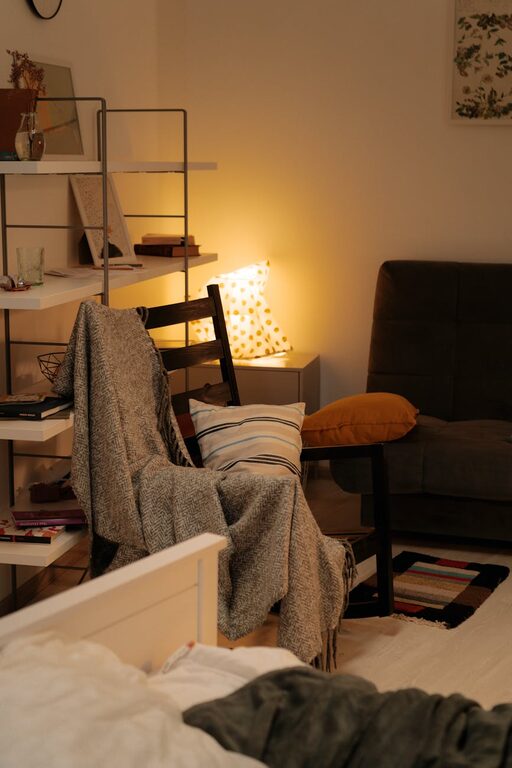
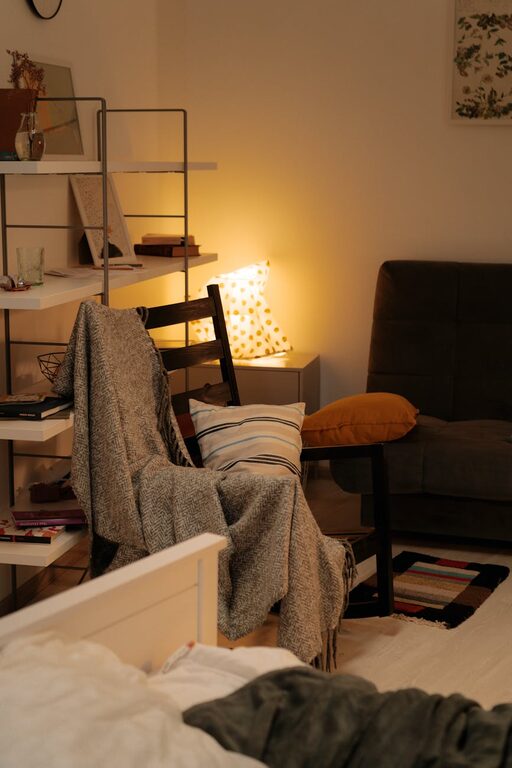
Finding the best spot for your home office is the first step. Ideally, choose an area with good natural light, minimal noise, and enough space to accommodate your work essentials. A quiet corner of a room or a spare guest room can work well. If space is limited, look for underutilized areas like a section of the living room or bedroom, but try to set clear boundaries between your work and personal spaces.
Invest in Comfortable Furniture
Comfort is crucial when spending long hours at a desk. Select an ergonomic chair with good lumbar support to reduce strain on your back. Pair it with a desk at the right height to maintain proper posture. Adjustable desks can offer the flexibility to switch between sitting and standing, which benefits circulation and energy levels. Don’t forget to have enough space on your desk for your computer, paperwork, and any other tools you regularly use.
Optimize Lighting
Lighting has a significant impact on your productivity and mood. Natural daylight is the best option, so position your desk near windows if possible. If natural light isn’t sufficient, use bright, adjustable desk lamps to reduce eye strain. Avoid harsh overhead lights that create glare on screens, and consider soft ambient lighting to complement your main light source.
Keep Your Workspace Organized
Clutter can distract and stress you out, so create storage solutions to keep your office neat. Use shelves, filing cabinets, and organizers to store documents and supplies. Regularly declutter your desk and keep only what you need within arm’s reach. Labeling files and containers can help you quickly find items and maintain order.
Minimize Distractions
Distractions can quickly derail your focus. Set clear boundaries with family members or roommates about your work hours. Use noise-cancelling headphones or play ambient music to block out background sounds. Turn off non-essential notifications on your devices, and consider apps that limit access to distracting websites during work hours.
Personalize Your Space
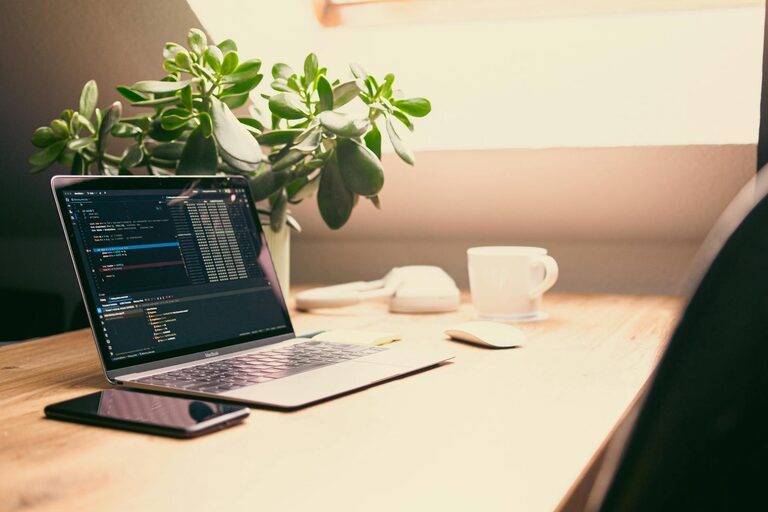
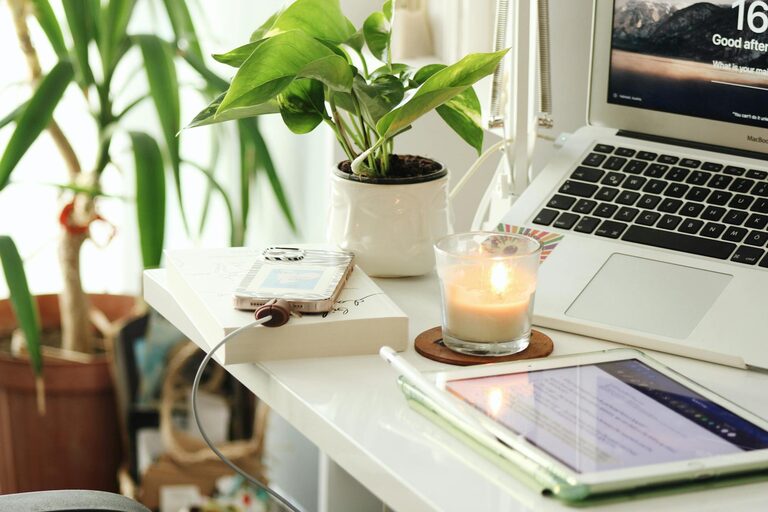
Adding personal touches can make your home office more inviting and motivating. Display photos, plants, or artwork that inspire you. Greenery, in particular, can improve air quality and reduce stress. Just be careful not to overdecorate, as too many items can clutter your space and cause more distractions.
Establish a Routine
Having a regular schedule supports productivity. Start your day at consistent times, dress as if you’re going to a traditional office, and take breaks to stretch or move around. Create a morning ritual to signal the start of work and an evening routine to wind down. This structure helps separate work time from personal time, even within the same space.
Use Technology Wisely
Make sure your technology supports your workflow. Invest in a reliable computer, high-speed internet, and quality peripherals like a mouse, keyboard, and webcam. Use cloud storage to access your files from anywhere and collaborate with colleagues easily. Back up your data regularly to avoid losing important information.
Pay Attention to Air Quality and Temperature
Comfortable air quality and temperature contribute to your ability to concentrate. Keep your workspace well-ventilated by opening windows or using air purifiers. Maintain a moderate room temperature to avoid feeling too hot or cold, which can impact your comfort and productivity.
Stay Active and Take Breaks
Sitting for extended periods can affect your health and productivity. Incorporate movement into your day with short stretches, walking breaks, or standing while working. Consider using timers to remind yourself to take regular breaks, which can help you return to tasks refreshed and focused.
Final Thoughts
Designing a productive home office environment takes some planning and adjustment. By choosing the right location, investing in comfortable furniture, optimizing lighting, and managing distractions, you create a space where work feels manageable and enjoyable. Remember to personalize your space, maintain organization, and develop routines to support your best work habits. With these strategies, your home office can become a place where productivity and comfort go hand in hand.